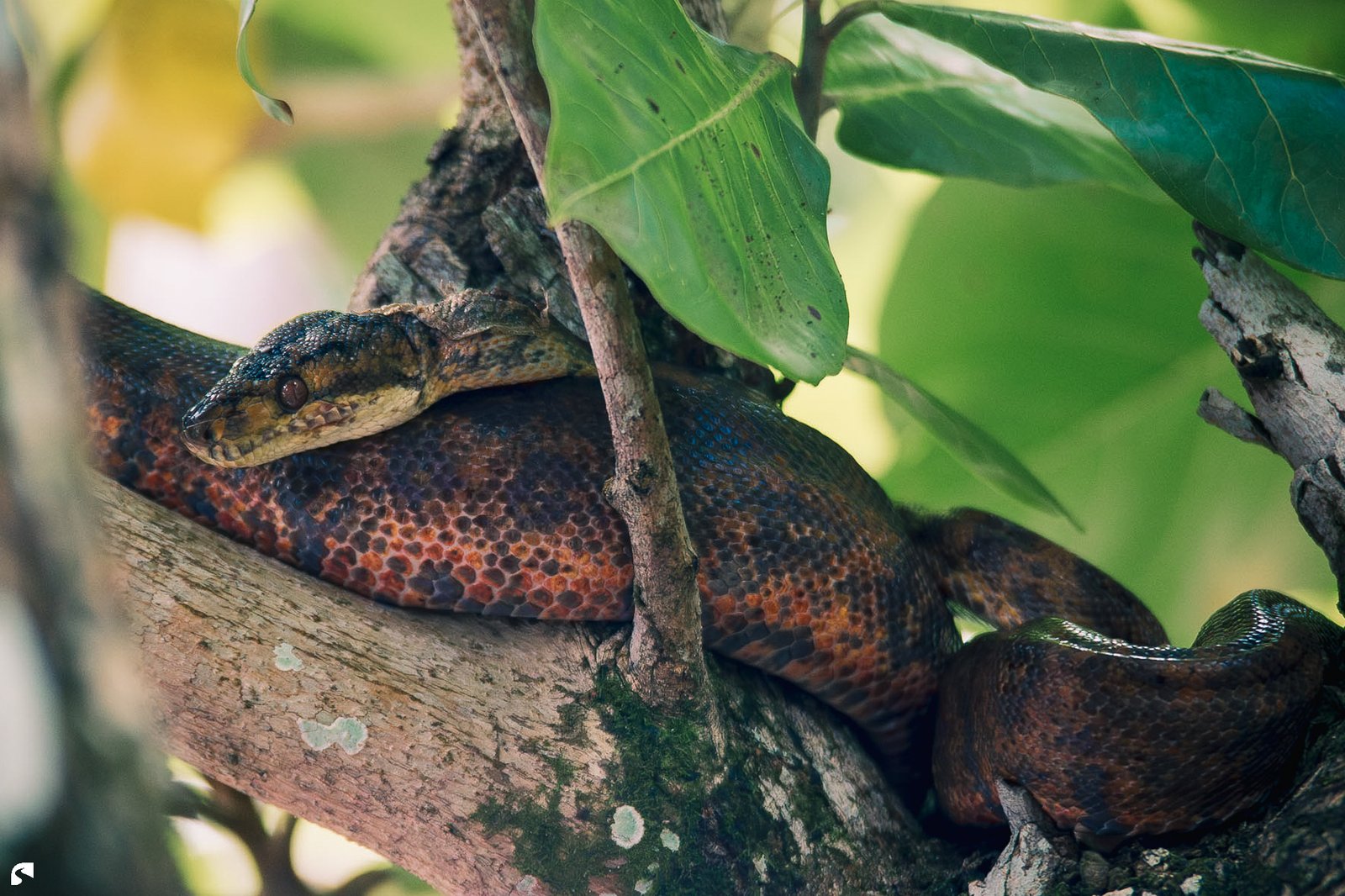
Long before I knew anything about snakes, I already knew how to be afraid of them. That’s the order most of us learn it in here. I grew up the way many Surinamese children do, taught early that a snake in the yard was something to run from. That changed on an ordinary afternoon when I was home alone with my younger sisters and one of them was bitten.
She couldn’t tell me what the snake looked like. I had no idea whether it was venomous, whether we had minutes or hours, whether to run for help or stay still. I remember that helplessness more clearly than almost anything else from my childhood.
Years later, snakes became the subject of my own research: what we actually know about Surinamese snakes, and why so little of that knowledge reaches the people who need it most.
A Country Built on Rivers, and on Snakes
Suriname is home to roughly a hundred documented snake species. Twelve are commonly identified locally as potentially lethal. The rest go about their business quietly, hunting rodents, amphibians and other prey, moving through leaf litter and river water, mostly indifferent to us. Suriname’s environmental statistics also record about one hundred snake species in the country.
The labaria and the coral snakes get most of the attention, and their bites can be serious. But most of what shares this country with us is far less dramatic than the fear around it suggests.
What struck me most while working on my research was how many people genuinely believed that all snakes are aggressive, that all snakes are venomous, or that killing any snake on sight is the safest response. All of that shapes our everyday behavior; in our gardens, on school grounds, and along the canals that run through Paramaribo.
The Taboo Beneath the Fear
Snakestones, stones pressed against a wound in an attempt to draw out venom, are still used in some households, despite having no proven medical benefit. Incisions, sucking at the bite, and tight tourniquets persist too, passed down as common sense from one generation to the next.
Nobody really talks about snakebites until it happens to them, and by then it is often too late to learn calmly.
What Actually Works
The part I wish someone had handed my family that afternoon is simple: antivenom can prevent or reverse many of the dangerous effects of snakebite envenoming. Snake antivenoms are included on the World Health Organization’s list of essential medicines. Access to appropriate treatment, together with prevention and awareness among communities and health workers, can make an enormous difference.
None of the snakestones, incisions, sucking, or tight tourniquets my family half-remembered that day are recommended first aid. WHO guidance is much plainer:
- Move away from the area where the bite occurred so another bite does not happen.
- Remove rings, watches, tight clothing, or anything else that could become dangerous if swelling develops.
- Reassure the person.
- Keep them as still as possible and get them to a health facility as soon as possible.
- Avoid cutting or sucking the wound, tight tourniquets, snakestones, and traditional or herbal remedies.
- Pressure at the bite site may be appropriate in certain types of snakebite, but it is not a general technique for every bite and should follow appropriate medical guidance.
- If vomiting occurs, place the person on their side in the recovery position.
- Monitor breathing and the airway closely and seek emergency medical care without delay.
Learning to Look Twice
Suriname’s snakes were here long before the roads, the ditches, and the fear passed between generations without anyone quite meaning to pass it on.A snake left alone rarely has a reason to bite. A person who keeps their distance, does not corner it, and does not attempt to handle it already removes much of the risk.
The other part is knowing what you are looking at. Learning which species actually present a serious medical risk turns fear into something more informed.
Keep your distance. Let it go on its way. If you are curious, look it up later rather than picking it up.Most of the time, it already wants nothing to do with you, and leaving it that way keeps you both safe.
The Ones You Might Actually Run Into
Most people picture one generic snake when they think about Suriname—some vague brown shape in tall grass. In practice, you are more likely to cross paths with a handful of recognizable species, and they behave nothing alike.
The One Responsible for Most Bites
The labaria, Bothrops atrox, is one of the most medically important snakes in Suriname. Its success comes partly from how well it disappears into leaf litter and how easily a person can approach one without noticing it.Its venom can interfere with blood clotting and cause significant tissue damage. That is why “watch where you step” is more than just something people say to sound careful.
Research from Suriname identifies Bothrops atrox among the most medically important venomous snakes encountered in the country.
The Ones Wearing a Disguise
Suriname has true coral snakes of the genus Micrurus, with striking combinations of red, yellow or pale bands, and black. It also has harmless or less dangerous species that resemble coral snakes closely enough to confuse almost anyone standing over one with a flashlight. Biologists call this Batesian mimicry: a harmless or less dangerous species benefits from resembling one that predators already know to avoid.
I still can’t always tell them apart at a glance, and I’ve spent more time on this than most people ever will.That alone is reason enough not to handle a snake you cannot confidently identify.
The One Everyone Has Heard Of
The green anaconda, Eunectes murinus, gets more attention than it deserves relative to how much of a threat it actually poses to people. Mostly, that is because it is enormous and photographs well swallowing something the size of a capybara.
It is a constrictor, no venom involved, and most encounters with people amount to nothing at all. It is much more associated with rivers, swamps and wetlands than with gardens.
The Two-Headed Snake That Isn’t a Snake
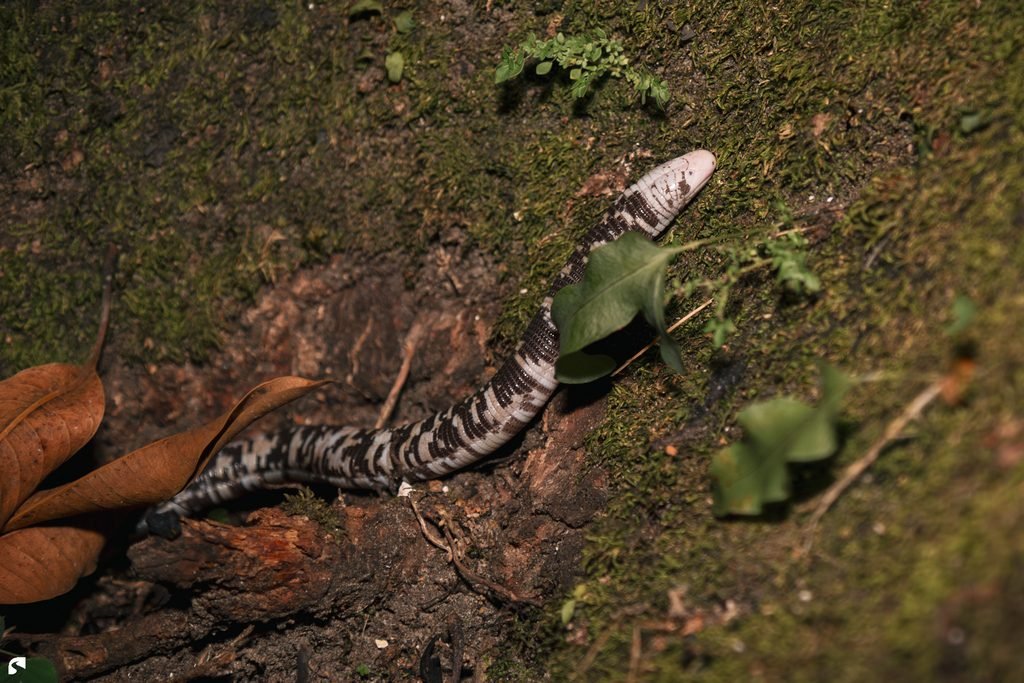
There is a creature people here call the two-headed snake, and it is not a snake at all.Amphisbaena alba is a reptile, but it belongs to an unusual group commonly called worm lizards. It is pinkish, cylindrical, almost entirely adapted to life underground, and much larger than many people expect once they actually see one above ground. Its ring-like scales make its body look segmented, almost like an oversized earthworm that decided to become a reptile.
Its eyes are very small, and although people often describe it as blind, it is not completely so.
A Life Spent Almost Entirely Out of Sight
Almost everything about Amphisbaena alba explains why so few people ever get a clear look at one.It is fossorial, meaning it spends most of its life underground, moving through tunnels and hidden spaces where most of us would never encounter it.
It is also often associated with ant and termite colonies, using underground spaces already occupied by insects and feeding on small animals it encounters there. That detail alone rewrites the folklore a little: the creature people fear enough to give a mythical name is, most of the time, quietly underground minding its own business.
Why “Two Heads”?
Both ends of its body can look surprisingly similar at first glance. There is no obvious neck, and the tail is short and blunt enough to resemble a second head.It can move through confined tunnels with remarkable ease, which probably helped the story along.When threatened, the blunt tail can also function as a distraction while the animal attempts to escape.
What Gets Said About It
Find one inside the house, and in some households that is read as a sign that someone under the roof is pregnant.It is one of those sayings that has survived long enough that people still bring it up whenever this strange little reptile appears.
I still don’t know what kind of snake bit my sister that afternoon.
I never will.
What I do know now is that it probably mattered less than the fear in that room did. That is the part I could actually do something about. It is part of why I built a small game where you sort snakes into venomous and non-venomous—the labaria from the garden tree boa, the true coral snake from the one just borrowing its colours.
I cannot hand that game to my younger self, standing in that room not knowing what to do.I can hope it reaches someone else’s version of that day, and changes how it goes.
— Sulaima A. Djokarso
About the author
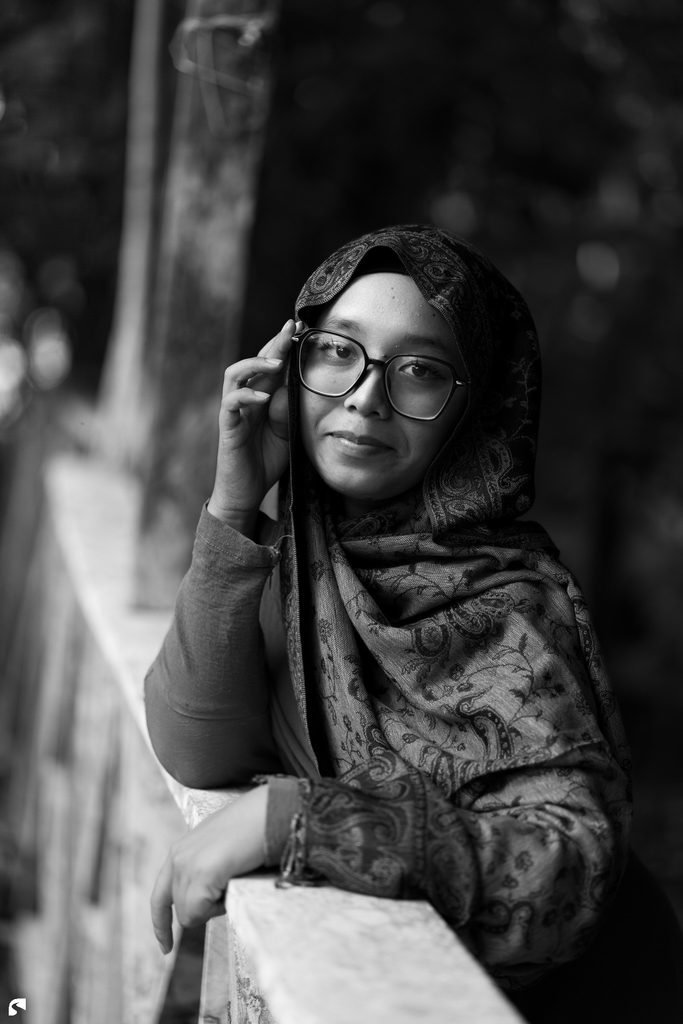
Sulaima A. Djokarso is a Surinamese nature enthusiast with a background in biology education and a particular interest in reptiles, amphibians, and the relationship between people and the natural world.
Her curiosity often takes her outdoors, from night walks in search of reptiles and amphibians to exploring Suriname’s forests and learning more about the landscapes and wildlife around her. During her studies in biology education, she researched how education can help young people replace fear of snakes with knowledge, understanding, and respect.
That idea continues to shape the way she looks at nature: people are more likely to value and protect what they understand. Through education, storytelling, and photography, Sulaima hopes to encourage others to look more closely at the wildlife around them, ask questions, and approach Suriname’s natural world with curiosity rather than fear.